 Request a Quote
If your home or building was built before 1990, it may contain asbestos. When asbestos is undisturbed, it does not pose health risks. When it is moved, however, it can release small fibres into the air. When these fibres enter a person’s lungs, they can cause serious health problems, including lung cancer and mesothelioma.
To understand why asbestos was used so commonly, and what its potential health consequences are, we recommend reading the Canadian Centre for Occupational Health and Safety’s page on asbestos.
Before a home or building is demolished, it must be checked for asbestos, and any asbestos that is found must be removed. This article will help you understand what is involved in asbestos removal, and what your responsibilities are as a property owner, contractor, or employer engaged in demolition.
In Manitoba, your first responsibility is to inspect the property for asbestos if you suspect there may be asbestos. In Canada, many buildings built prior to 1990 contain asbestos. This means that if your building is older than that, there’s reason to suspect asbestos in at least some parts of the building, be it the insulation or the popcorn ceiling.
You can talk to your demolition contractor if you’re unsure, but an abundance of precaution is necessary when it comes to asbestos, and almost every building built prior to 1990 should be inspected.
The rules in Manitoba are pretty straightforward: any product suspected to contain asbestos must be tested for asbestos. Products are tested in a laboratory. If products and materials are not tested for asbestos but are suspected of containing asbestos, they must be treated as though they do contain asbestos and removed accordingly.
Asbestos removal must be handled by well-trained professionals who are skilled at mitigating the risks of asbestos. These professionals will use equipment and techniques that prevent the release of asbestos fibres. It’s important to understand that this isn’t just advice we’re giving you - this is in the asbestos removal requirements laid out by the Government of Manitoba.
You need professionals who are specifically trained in asbestos removal.
If your renovation involves any demolition, and there are materials suspected of containing asbestos in your building, you’ll need to have those materials checked for asbestos - and, if they do contain asbestos, you’ll need to have them removed by a professional.
This means that if you’re engaged in major bathroom or kitchen renovations, and your building was built prior to 1990, you’ll probably need someone to check for asbestos.
The list of building materials and products that can contain asbestos is staggering. Insulation, roof felt and shingles, fuse boxes, stucco (popcorn ceilings), outlets, flooring, and more can contain asbestos. Don’t assume there’s no asbestos just because you don’t have blown-in insulation!
Looking for a contractor who offers demolition services, asbestos testing, and asbestos removal in Winnipeg? Call Bulldog Demolition & Asbestos Removal to request a quote from our experts.
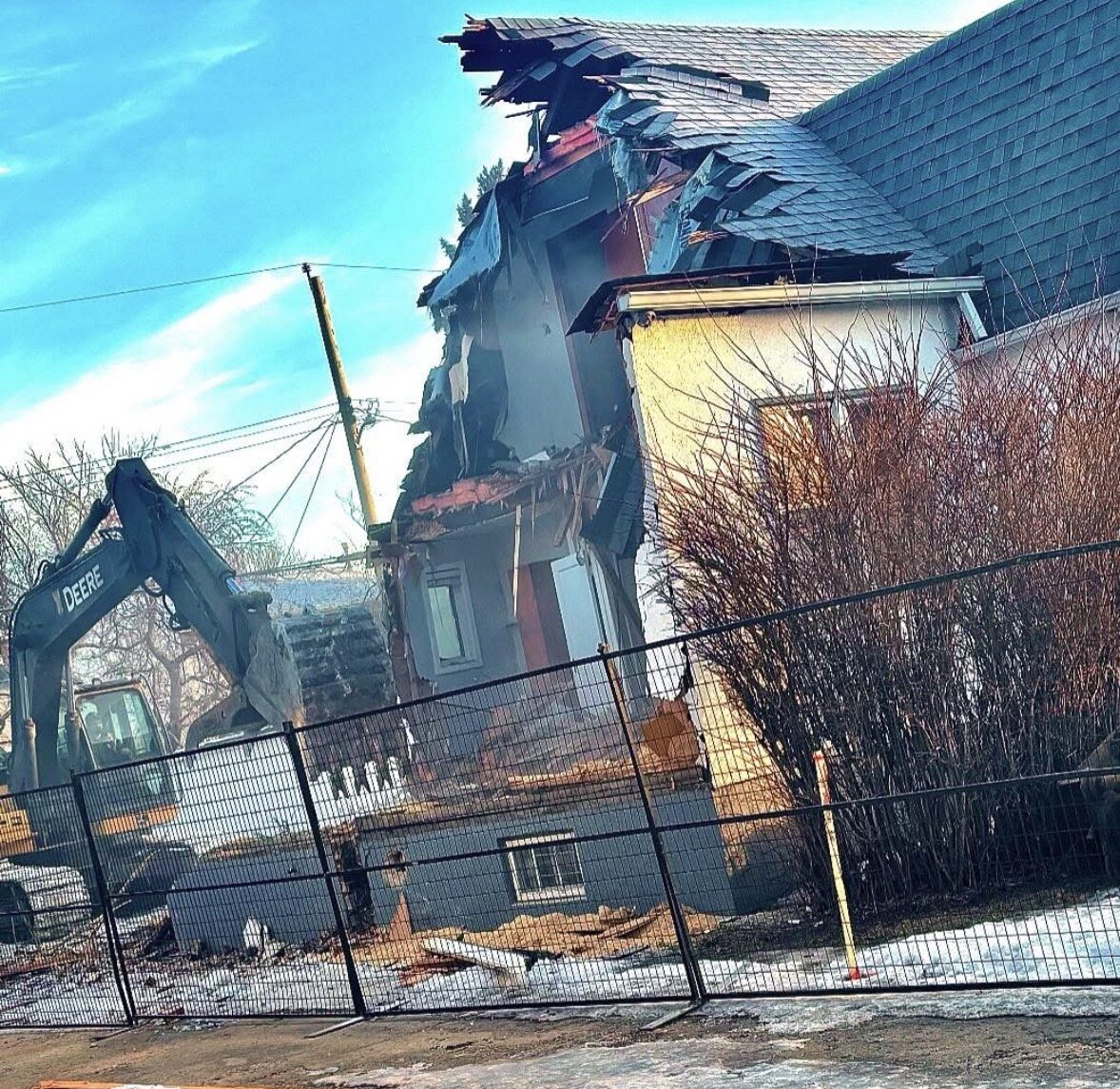
Have you ever watched a wrecking ball bring a building to its knees? At a demolition site, skyscrapers are reduced to piles of rubble within a few weeks. But the interior demolition process is a bit more subtle—from the outside, at least.
During interior demolition, contractors break down select areas in a home or commercial building. They demolish things like:
An interior demolition contractor can completely gut your space; this gives you a clean slate for your upcoming remodelling or renovation project. Here’s what the interior demolition process looks like:
We’ve all seen those movies where homeowners take a sledgehammer to the walls and tear them down, without any preparation. They make it look easy. In reality, interior demolition is incredibly complex.
Every project requires careful planning; otherwise, demolition work could weaken the structure of the home, or expose its inhabitants to hazardous materials.
First, there’s the issue of acquiring permits. In Winnipeg, you need to obtain a demolition permit before removing part of any residential building, whether it’s the interior or the exterior. This is something you can ask your contractor crew about while they’re giving you an estimate.
Next, the contractors will assess the building for any potential safety hazards. They’ll examine the materials in your home to check for things like asbestos, lead paint, or mould. If they identify any hazardous materials, they’ll need to plan how to minimize exposure to them and dispose of them safely.
Are you planning to demolish any walls inside your home? If so, the contractors will first need to assess whether they’re load-bearing walls. These walls are integral to a building’s structure; if they’re torn down, it may cause the floors or ceilings to sag. Contractors will need to reinforce the building structure before removing these walls.
Behind a wall, there may be water lines, gas lines, or electrical wiring. If these utilities are active and damaged during demolition, it may result in water damage or fire hazards. Contractors must disconnect all utilities before they get started. In some cases, you must disconnect utilities before you can obtain a permit for the demolition.
Demolition is noisy work; it may be disruptive to others during the evenings or late hours of the night. Whether your building is in a residential or commercial area, the timing of the demolition service is important.
At a workplace, noise and dust production can interfere with productivity. You may need to plan the time of the demolition around what works best for your neighbours or employees.
Interior demolition creates a substantial amount of waste material. Construction and demolition debris can’t be tossed away in your typical garbage can. And there’s a reason for that: these materials can often be recycled and reused in future projects.
When you’re hiring a demolition crew for your project, ask them about their waste disposal policies. Depending on the scope of your demolition project, it might be worthwhile to rent a dumpster to help with managing garbage.
At Bulldog Demolition, our contractors do it all. We’ll take care of everything from drywall removal to floor tile demolition. We’ve got the equipment and the experience to make your project a success. To book our demolition services in Winnipeg, call now.