 Request a Quote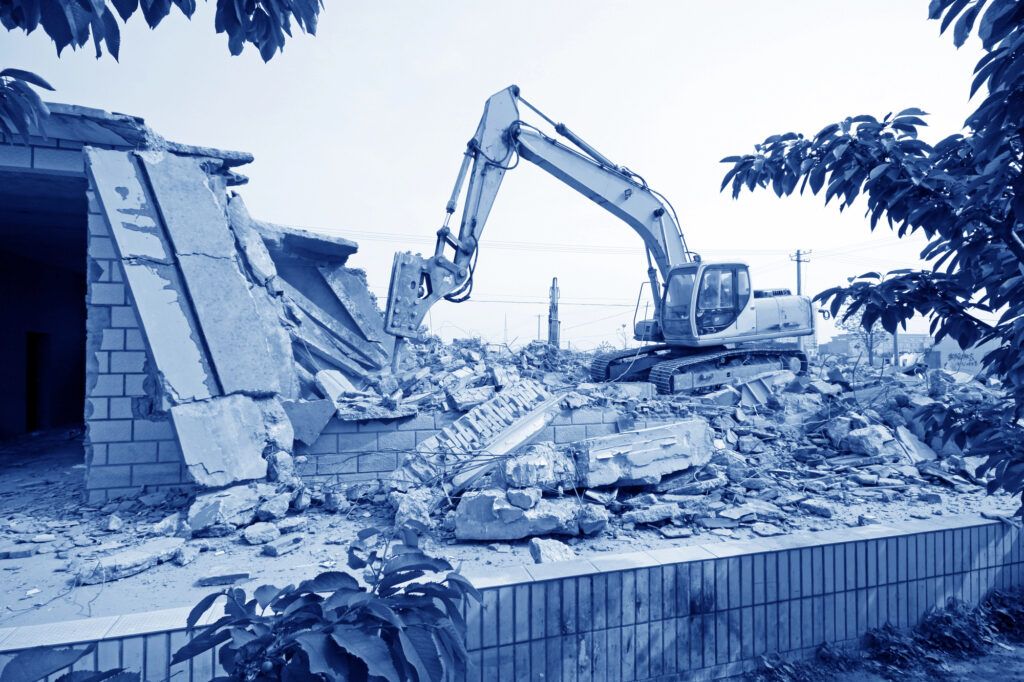
Demolition in Winnipeg is not a one-size-fits-all process. The approach, equipment, and timeline vary significantly depending on whether you're tearing down a single-family home, dismantling a commercial warehouse, or removing specific portions of a structure while preserving the rest. Understanding these differences helps you choose the right method for your project, budget, and goals.
Residential demolition involves the teardown of houses, garages, sheds, and other structures designed for living. While these projects are typically smaller in scale than commercial demolitions, they require the same attention to safety, permits, and proper procedures.
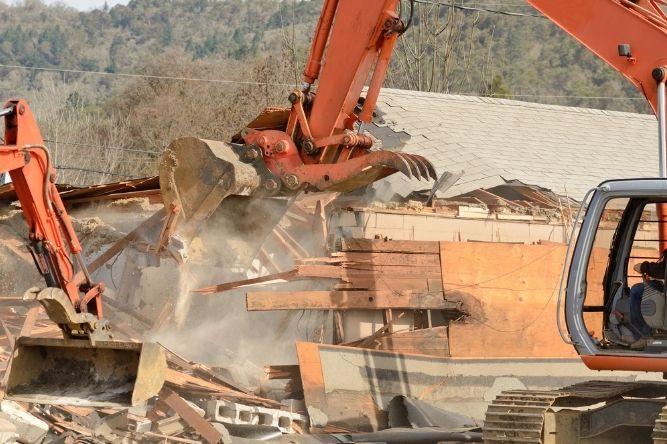
Residential projects often use smaller equipment to account for tighter spaces and the smaller footprint of homes. Mini-excavators and skid steers are common choices, especially for partial demolitions or remodeling projects where the entire structure is not coming down. This smaller equipment allows for greater precision in dense neighborhoods where space is limited and neighboring properties are close.
Residential demolition generally moves faster than commercial projects due to reduced scale. A complete house teardown might take a few days to a week, depending on size, materials, and site conditions. Interior demolition for renovations can often be completed in days.
Residential projects demand careful attention to neighbor relations due to proximity. Noise, dust, and debris affect nearby families, so scheduling and containment measures matter. Additionally, older homes often contain asbestos or lead-based paint, requiring specialized abatement before demolition begins. Utility disconnection, permit compliance, and site restoration are equally critical for residential projects.
Commercial demolition covers office buildings, warehouses, retail spaces, factories, and other business structures. These projects involve larger scale, heavier materials, and more complex logistics.
Commercial demolition frequently allows for heavier equipment due to larger sites and fewer space constraints. Cranes, bulldozers, and large excavators can speed up the process significantly. However, commercial projects may also involve specialized challenges such as reinforced concrete, steel framing, and industrial equipment removal.
Commercial projects take longer due to scale and complexity. A large warehouse or office building might require weeks or months to demolish safely. Projects in active business districts also face scheduling constraints to minimize disruption to neighboring operations.
Commercial demolition involves stricter regulatory requirements, environmental assessments, and coordination with surrounding businesses. Projects may require traffic management plans, dust suppression systems, and extended safety perimeters. The presence of hazardous materials like industrial chemicals or specialized building materials adds complexity. Permitting is often more involved, and projects may require multiple inspections and approvals.
Selective demolition occupies a unique space between full teardowns and renovations. Instead of flattening an entire structure, this method removes targeted sections such as walls, floors, ceilings, or facades while preserving what still has value. It is precise, cost-effective, and generates less waste.
This approach is ideal when you want to retain the structural shell of a building while modernizing interiors. Historic preservation projects use selective demolition to remove damaged areas while protecting original architectural elements. Renovations that expand or reconfigure existing spaces rely on selective demolition to clear the way for new construction without starting from scratch. Industrial facilities use this method to upgrade systems or replace equipment without shutting down entire operations.
Selective demolition begins with thorough surveying and planning. Engineers assess the structure to identify load-bearing elements, utilities, and hazards. Crews then cut and cap utilities to prevent damage and keep unaffected areas operational. A clear exit path is established for debris removal and material recovery. Specialized tools allow for precise removal of targeted areas. Barriers and vacuum systems contain dust and debris. Reusable materials are salvaged and recycled. Final safety checks confirm structural stability before the next phase of construction begins.
Selective demolition reduces costs by preserving valuable materials and minimizing waste disposal. It lowers environmental impact by diverting debris from landfills and supporting material reuse. It minimizes disruption to ongoing operations in commercial or industrial settings. For historic buildings, it allows modernization while maintaining character and heritage value.
| Factor | Residential | Commercial | Selective |
|---|---|---|---|
| Scale | Small to medium | Large | Variable, targeted |
| Equipment | Mini-excavators, skid steers | Cranes, bulldozers, large excavators | Specialized tools, hand work |
| Timeline | Days to 1 week | Weeks to months | Days to weeks depending on scope |
| Primary Goal | Complete removal | Complete removal | Partial removal, preservation |
| Key Challenges | Neighbor relations, hazardous materials in older homes | Regulations, environmental compliance, business coordination | Structural stability, precision, material salvage |
| Cost | Lower | Higher | Moderate, offset by salvage value |
Your project type, goals, and constraints determine the best demolition method.
Choose residential demolition when removing a house, garage, or outbuilding completely. This is your path for rebuilding from scratch or clearing a lot for new construction.
Choose commercial demolition when dealing with business structures, warehouses, or industrial facilities. The scale and regulatory environment demand specialized expertise and equipment.
Choose selective demolition when renovating, expanding, or modernizing while preserving valuable portions of an existing structure. This method suits historic preservation, interior renovations, and industrial upgrades where continuity matters.
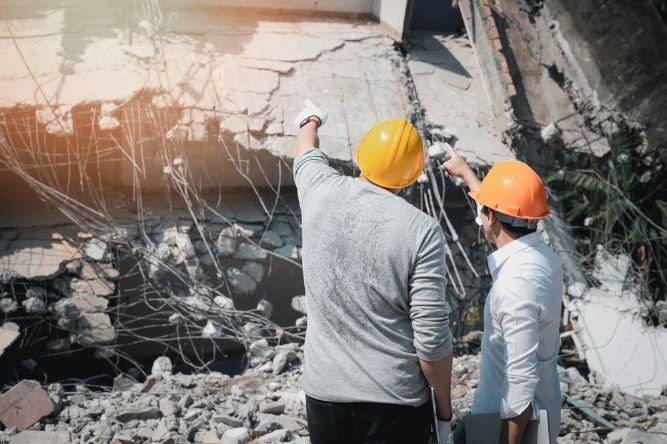
Regardless of approach, demolition requires licensed, experienced professionals. Proper equipment, insurance, safety training, and knowledge of local regulations are non-negotiable. Professionals handle permit applications, utility disconnections, hazardous material abatement, debris removal, and site restoration.
For residential, commercial, or selective demolition in Winnipeg, work with contractors who understand the unique requirements of each approach. The right team ensures your project proceeds safely, legally, and efficiently—no matter which type of demolition you need.
Choosing the right demolition method is the first step toward a successful project—but you don't have to figure it out alone. Whether you're tearing down a residential home, dismantling a commercial warehouse, or selectively renovating to preserve what matters, our experienced team can guide you through every decision.
Get a free consultation and project quote today. We'll assess your property, explain your options, and recommend the most efficient, cost-effective approach for your specific needs.
About the Author: Bulldog Demolition & Asbestos Removal
